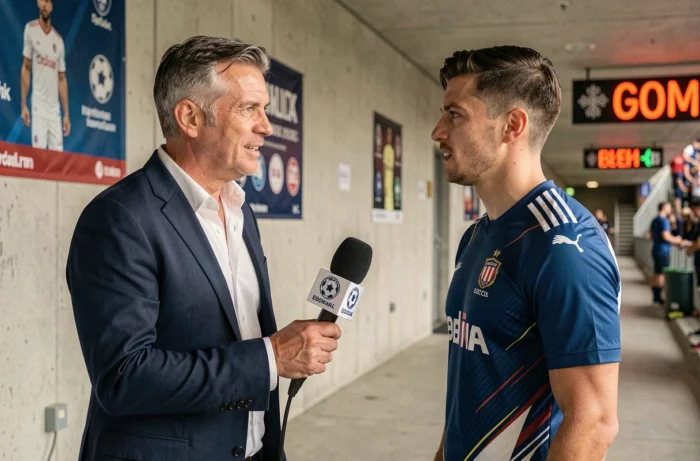
Following the results of a match or the standings of a league, most websites do this very well. Where sports news gains depth is when it sheds light on what happens off the field: the funding of local clubs, real access to facilities, or the representation of female athletes in the media. It is these angles, often absent from continuous news feeds, that help to understand the state of sports in France.
Funding of Local Sports and Budget Alerts in France
Have you ever noticed that a municipal gym remains closed for renovations for months, without a clear explanation? Behind this type of situation, there is often a question of public funding. The CNOSF recently expressed its concerns about the announced decrease in funding dedicated to sports, particularly the reduction in the number of sports technical advisors and the lack of new commitments for facilities.
With the approach of the 2030 Alpine Winter Olympics, these alerts take on particular significance. A major international event mobilizes massive investments, but local structures (synthetic fields, swimming pools, sports halls) risk being sidelined if budgetary decisions do not protect them.
Sports media that cover these topics provide a real service. Rather than limiting themselves to podiums, editorial teams like Sport Mag document the concrete conditions in which both amateur and professional athletes operate on a daily basis. It is this type of coverage that transforms a simple news feed into a useful source of information.
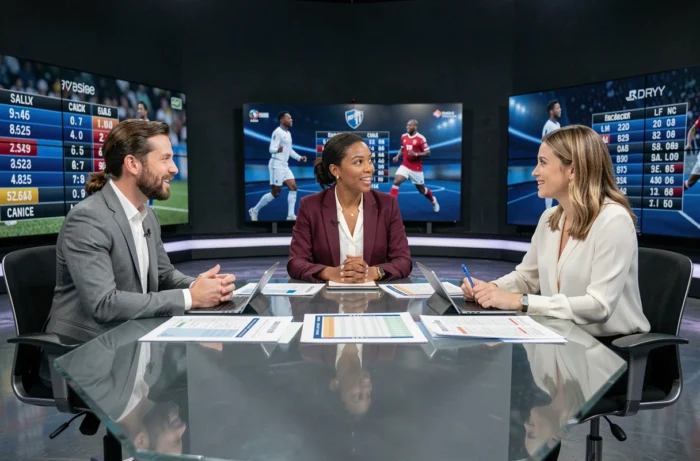
Reform of Professional Sports: Governance, TV Rights, and Piracy
The ongoing reform of professional sports in France touches on several levers at once. It concerns the governance of federations and leagues, the commercialization of audiovisual rights, and their distribution among sector stakeholders.
One aspect directly addresses the fight against the piracy of broadcasts. Illegal broadcasts of Ligue 1 or Champions League matches represent a significant loss of revenue for clubs and leagues. The reform provides for enhanced tools to address this issue.
Another point to watch: a trial of virtual advertising during broadcasts is planned to start in 2027. This system would allow different advertising slots to be displayed depending on the broadcasting country, directly embedded in the image. For the viewer, this could alter the visual experience of a match without affecting the field itself.
What This Means for the Reader
Understanding these mechanisms helps to decode why a match is broadcast on one channel rather than another, why some clubs invest heavily while others struggle to balance their budgets. Analyses that dissect these reforms provide insights that a simple score summary does not offer.
Violence in Sports: What the Media Can Document
The handling of reports of sexist and sexual violence in sports has taken on a new dimension. Volunteer instructors are now supporting federations in handling reports, according to a recently established system.
Why does this topic deserve regular coverage? Because prevention only works if it is visible. A report on reporting protocols in a judo club or a football school informs parents, educators, and licensees about their concrete recourse options.
Continuous sports news pages rarely address these topics. They require investigative time, interviews with field players, and a deep understanding of federal operations. Editorial teams that commit to these issues produce sports journalism of a different caliber.
- Reporting protocols vary by federation, making local information all the more useful for practitioners.
- The support of volunteer instructors aims to speed up the processing of cases, often slowed down by a lack of human resources.
- The media coverage of these systems helps to break the taboo and encourages victims to speak out.

Women’s Sports and Media: An Underutilized Audience Potential
Women’s sports generate growing public interest, but the media offering does not yet reflect this audience potential. Broadcasts remain less frequent, analyses less detailed, and interviews with female athletes occupy a marginal place on the homepages of major sites.
This gap is not a technical inevitability. It stems from editorial choices and economic models. When an editorial team decides to cover D1 Arkema with the same rigor as Ligue 1, it attracts a loyal readership that could not find this information elsewhere.
Running: A Phenomenon That Goes Beyond Competition
Running illustrates well the gap between actual practice and media coverage. This sport has firmly established itself in habits, with diversification into trail running, charity races, or ultra formats. The motivations of runners blend personal quest, social connection, and physical achievement, far beyond the stopwatch.
An article that tells why an employee signs up for a half-marathon or how a municipality organizes its annual race reaches a broad audience. This sociological angle is often missing in the sports sections of major media, which focus on the results of professional competitions.
Analyses, Interviews, and Reports: The Formats That Make a Difference
Three formats stand out when one wants to go beyond real-time news flow:
- In-depth analysis, which connects a sports fact to its economic, social, or regulatory context (a reform, a budget, a training policy).
- Long interviews, which allow a coach, a manager, or an athlete to develop a reasoning rather than a knee-jerk reaction.
- Field reports, which show the realities of amateur sports, the life of a rugby club in a rural area, or the training conditions of a women’s handball team.
These formats require production time. They are also the ones that build a loyal readership because they provide what a score or ranking cannot give: an understanding of the dynamics that shape French sports.
Sports cannot be reduced to what happens between the kickoff and the final whistle. The conditions of practice, local funding, the fight against violence, and the visibility of women’s sports are topics that deserve as much attention as a player transfer or a match result.