
Tovaraf, Tovarof and Moovbob are successive domain names used by the same unofficial streaming platform. When internet service providers in France block a domain, the service reappears at a different address. This migration process raises a practical question: do your user account, credits and personal data survive a URL change?
DNS blocking and domain changes: the technical mechanism behind migrations
The block does not target the servers hosting the content. It targets the domain name—the address your browser translates into an IP address through a DNS resolver. When an internet service provider enforces a blocking order, it prevents this translation for the domain in question.
The service itself can continue running on the same servers. It only needs to register a new domain name to become accessible again. That is why Tovaraf gave way to Tovarof, then Moovbob, without any prolonged interruption to the catalogue.
French law has extended these measures beyond internet service providers alone. Some technical intermediaries, such as public DNS services and VPN providers, may also be targeted, particularly in cases involving sports piracy. A domain that works one day may therefore stop responding for some users without any data being deleted on the server side.
For users trying to understand what happens to Tovaraf or Tovarof in 2026, the answer comes down to this distinction: blocking an address is not the same as shutting down a service.
Moovbob user accounts and credits: what is retained during a migration
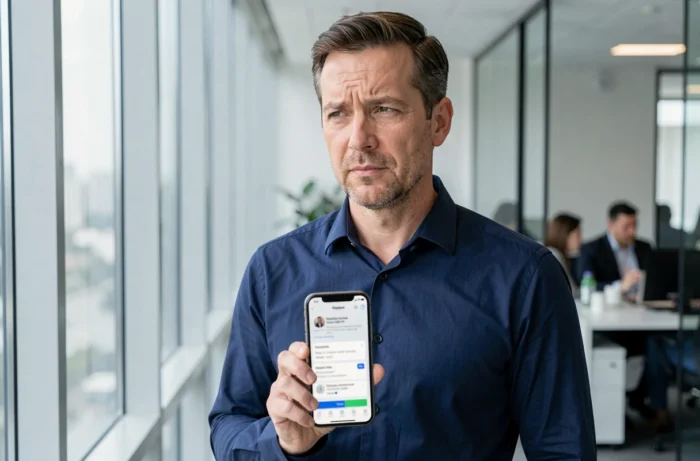
The main point of friction is account persistence. When the domain changes, credit transfers are never automatic. The database may remain the same on the server side, but access to your account depends on how the platform handles the redirect.
There are several possible scenarios:
- The new domain points to the same servers and user database. In this case, your login details work as before, with no action required on your part.
- The new domain uses a partially migrated database. Some accounts are recognised, while others are not. Any accumulated credits may have been reset.
- The new domain is a clone operated by a third party. Your login details will not work, and any attempt to sign in exposes your data to a fraudulent site.
Most users who lose their balance during a migration have failed to identify the correct new domain. They signed in to a site that imitated the platform’s interface but was not its legitimate successor.
Personal data and real risks on unofficial streaming platforms
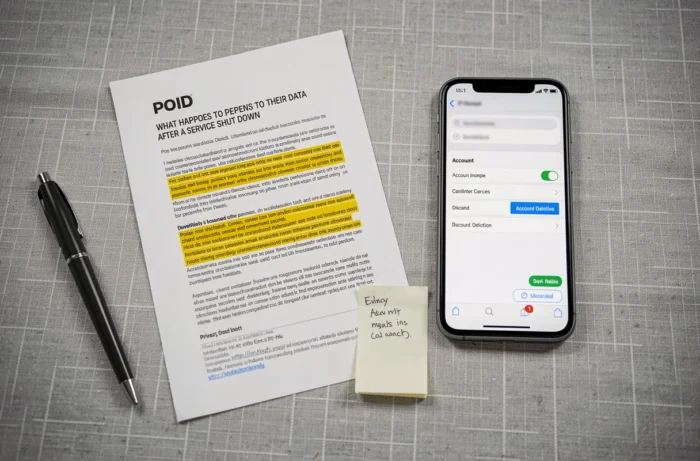
On a platform that is not registered with a data protection authority, there is no verifiable legal obligation to retain or delete data. The GDPR exists, but enforcing it requires the data controller to be identifiable and contactable.
At a minimum, these services collect your email address, a password and often your browsing history. If you have used a payment method, your card details may have been stored without compliant encryption.
Blocking orders do not require technical intermediaries to guarantee permanent inaccessibility. Blocking therefore remains porous, and the responsibility for protecting your data rests with the user.
Protective steps to take now
- Use a unique password for every streaming platform, whether official or not. A password manager helps prevent password reuse.
- Never enter your payment details on a site whose domain changes regularly. If payment is required, use a single-use virtual card.
- Before signing in, check that the site address exactly matches the expected domain. Clones copy the interface but change one letter in the URL.
- If you have already shared sensitive data on an old domain, immediately change any matching passwords you use for other services.
Legal streaming alternatives in France: catalogues and risk-free access
The question of what happens to Tovaraf or Moovbob accounts highlights a structural weakness: with an unofficial service, you have no recourse if your data is lost. Legal platforms offer a different framework.
In France, several services offer free, ad-supported access. The FAST (Free Ad-Supported Streaming Television) model provides access to film and TV series catalogues without a subscription, with the selection growing every year.
Subscription services (Netflix and bundled offers from telecom operators) guarantee account portability, retention of your viewing history and data processing that complies with the GDPR.
The choice between risky free access and a regulated subscription depends on what you are willing to expose. An account on a legal platform will not disappear the next time its domain changes, and your payment data benefits from audited encryption.