
The choice of a car insurance contract relies less on the formula (third party, intermediate, comprehensive) than on the technical clauses buried in the specific conditions. Variable deductibles, battery coverage limits, use of recycled parts: these parameters significantly alter the actual bill in the event of a claim much more than the difference in premium displayed between two quotes.
Deductible and repair costs: the variables that impact the car insurance contract
The annual premium captures all the attention when comparing offers. This is a methodological error. The real cost of a contract is measured by the out-of-pocket expense after a claim, that is, the combination of absolute deductible, relative deductible, and compensation ceiling.
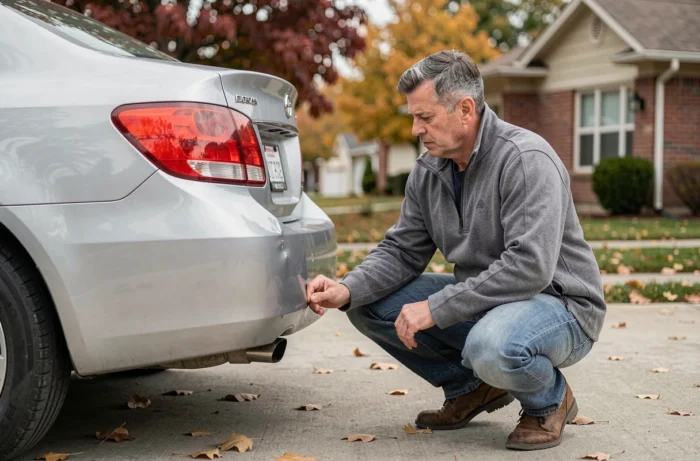
According to the SRA’s Collision Claims Observatory, the average cost of repairs after a collision has significantly increased between 2021 and 2025. Sensors, rearview cameras, driving assistance systems, and onboard computers drive up the cost. A front bumper equipped with parking sensors costs significantly more to replace than a standard bumper.
Comparing contracts on this basis requires checking three points in the specific conditions: the amount of the deductible by type of claim (glass breakage, theft, collision), the method of calculating the replacement value of the vehicle (expert’s opinion value, conventional value, purchase value), and the duration for which the purchase value is guaranteed for a new vehicle.
To compare offers based on these specific criteria, consult car insurance on Annuaire Voitures.
Recycled parts in repairs: what the contract stipulates
The SRA reports that the share of recycled parts in repairs is increasing, although they remain a minority among replaced parts. Some insurers mandate their use to reduce the cost of the claim, while others offer it as an option with an impact on the premium.
Check if the contract allows or mandates the use of recycled parts, under what conditions, and with what guarantee of compliance. On a recent vehicle equipped with ADAS systems, a poorly calibrated recycled part can compromise the functioning of driving aids. This clause deserves to be read before signing, not after the first claim.
Electric car insurance: battery coverage and energy breakdown assistance
The insurance rate for an electric car is not necessarily higher than that of an equivalent combustion vehicle. The real difference lies in the scope of coverage. The battery represents a major part of the value of the electric vehicle, and its replacement or repair involves considerable amounts.
Three elements distinguish a good insurance contract for electric vehicles:
- Coverage for battery damage, whether owned or leased. A contract that excludes the leased battery leaves a significant gap in protection.
- Specific limits and deductibles for battery damage. A limit that is too low makes the comprehensive coverage cosmetic.
- Assistance in case of energy breakdown (discharged battery). Not all contracts include towing to a charging station, and some charge it as a regular mechanical breakdown.
Before subscribing, request a battery claim simulation: what is the out-of-pocket expense after the deductible, what is the replacement time, what is the loan vehicle. These answers are worth more than a premium comparison.
Termination and mobility between insurers: what the Hamon law allows
The Hamon law allows for the termination of a car insurance contract at any time after the first year, without fees or penalties. This provision has changed the balance of power: a dissatisfied driver is no longer captive until the next annual deadline.
In practice, it is the new insurer who handles the termination procedure. The driver signs a new contract, and the transition occurs without interruption of coverage. The effective termination period is one month from the notification to the old insurer.
End of the green card: what changes for proof of insurance
Since April 1, 2024, the green sticker and the paper green card are no longer required. Law enforcement now verifies the validity of insurance via the Insured Vehicles File (FVA). The insurance obligation remains the same, only the method of control has changed.
This point has a practical consequence when changing insurers: the update of the FVA by the new insurer must be immediate to prevent a roadside check from reporting a lack of insurance during the transition period. Check with your new insurer the registration time with the FVA before terminating the old contract.

Driver profile and coverage: adapting the contract without overpaying
The bonus-malus coefficient (CRM) remains the main pricing lever. But beyond the CRM, the choice of optional coverage deserves a technical arbitration rather than a reflex for maximum coverage.
For a vehicle over eight years old with a low Argus rating, a third-party extended formula covers real risks without financing a disproportionate comprehensive damage guarantee. Theft and fire coverage, glass breakage, and legal protection are sufficient in most cases. Conversely, a new or recent vehicle justifies a comprehensive contract with guaranteed purchase value.
- Vehicle under three years: prioritize new value coverage and comprehensive damage protection, including without an identified third party.
- Vehicle three to eight years: the intermediate formula (extended third party) with theft, fire, and glass breakage offers the best coverage/premium ratio.
- Vehicle over eight years: mandatory third party supplemented by legal protection and assistance covers likely claims without additional cost.
The use of the vehicle (commuting, professional use, annual mileage) also modifies the rate and exclusions. A driver who declares private use while using their vehicle for regular professional trips risks a denial of compensation. The declaration must reflect the actual use, not the cheapest use.
The best-chosen car insurance contract is not the cheapest or the most comprehensive. It is the one whose deductibles, limits, and exclusions match the actual value of the vehicle, its daily use, and the specific risks of its driver. Rereading the specific conditions before signing remains the only reliable filter.